

Eastern Europe has a rich history, a multitude of influences, and an exciting cultural mix that continues to captivate us (re)again and again: Eastern Europe is a boundless source of fascination, and these incredible cities are five more reasons why we keep returning.
With clearly demarcated borders, the broad geographical area known as Eastern Europe has a shared history - comprising a thousand and one stories - a diverse ensemble of cultures and environments, and numerous cities deserving of a visit.
Planning a stay in Europe? Here are some articles t o help you plan out your trip:
- Top 10 Destinations for a 24-Hour European City Break
- However, there is no text sample provided. Please provide the text, and I'll paraphrase it in International Edition (English) language.
- This city has been designated as Europe's favorite cultural destination, a fact that is quite surprising.
Sofia charms as a mix of development bureaucratic
Prague, Czech Republic
Prague, a city you can experience fully in a day, merits its position at the top of our list of the most beautiful cities in Eastern Europe. Nicknamed the “City of a Hundred Spires,” Prague has the potential to captivate you in new ways with each visit, whether it's through its diverse and captivating architecture (ranging from Baroque to Medieval, Gothic, Art Nouveau and even Brutalism), its undeniably romantic ambiance or its UNESCO World Heritage-listed historic centre.
What to visit in Prague?
- The largest medieval fortified castle in the world looms large over the city alongside the enormous St. Vitus Cathedral.
- The famous Gothic bridge in Prague is lined with statues and offers stunning views of the river and the castle.
- Situated in the heart of Prague, its renowned astronomical clock attracts large gatherings with every new hour's chime.
- This European city's vast Jewish history can be reflected in its many historic synagogues and an ancient cemetery.
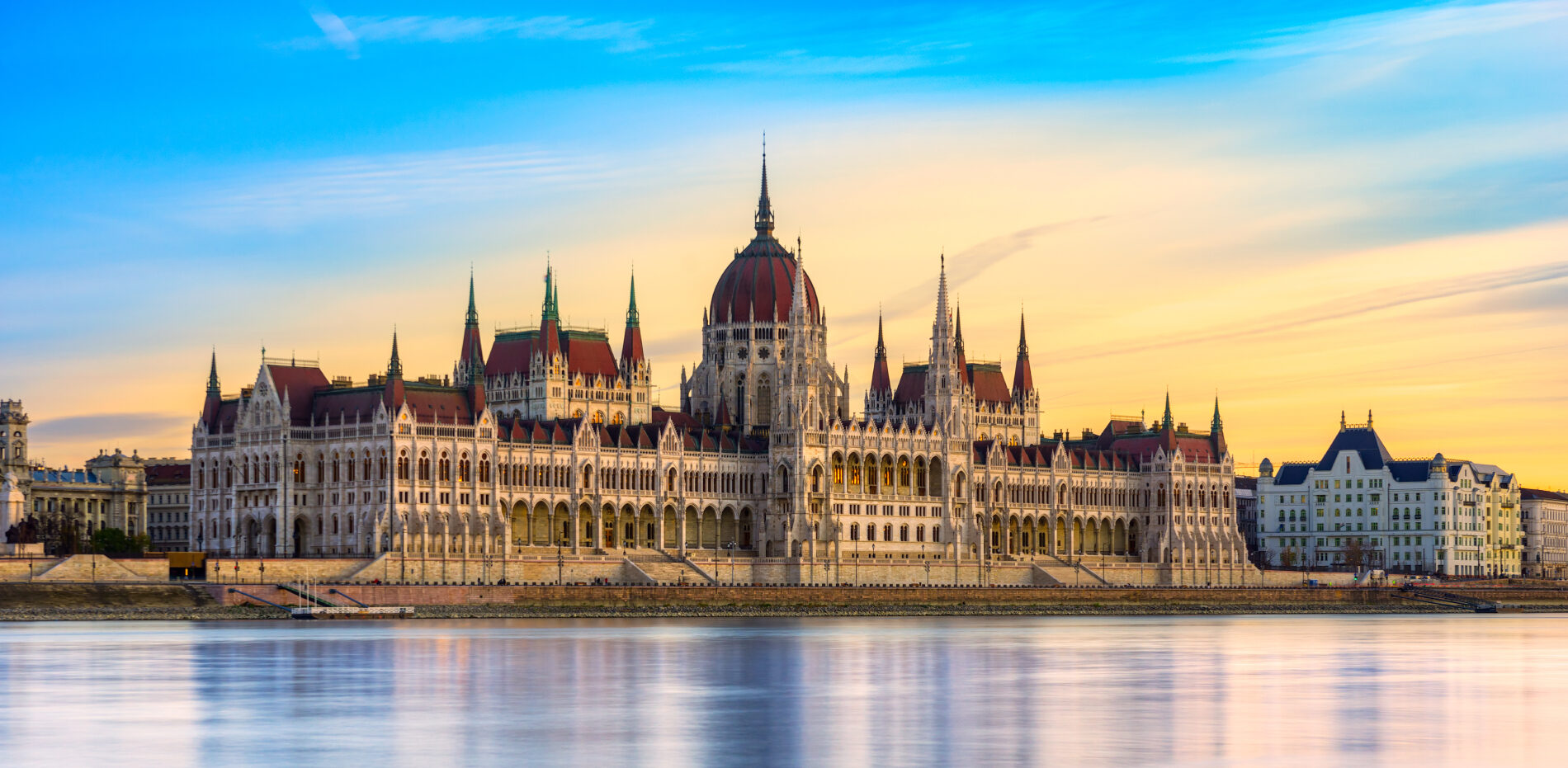
Budapest, Hungary
The city's blend of harmonious architectural styles, its world-renowned thermal baths, and its majestic bridges over the Danube River are just a few of its notable features. This mighty river splits Budapest into two distinct parts: Buda, the historic hillside quarter, and Pest, the more vibrant and dynamic district on level ground, featuring stunning neo-Gothic structures.
What are the top tourist attractions in Budapest?
- In Europe, you can unwind in the indoor and outdoor pools.
- The construction of a stunning neo-Gothic building situated on the banks of the Danube.
- A neo-Romanesque belvedere affording panoramic views of the city from its turrets and battlements.
- One of the tallest structures in Budapest.
Krakow, Poland
This place boasts an array of distinctive attractions that earn it a must-visit status in Eastern Europe: its old town nestling in lush surroundings, with the remnants of the city's fortified walls still standing, its vibrant culture, and a captivating atmosphere that is both romantic and celebratory.
A pleasant way to spend an evening in Krakow is by taking a stroll along the quiet and picturesque streets of Nowa Huta district, which is known for its architecture and history of Krarow new housing.
- ).
- The magnificent royal compound overlooking the Vistula, featuring a cathedral that was the site where Polish kings were crowned.
- A historic district that boasts well-established synagogues, a significant Jewish cemetery, and a museum, as well as trendy cafes and unique shops.
Sofia, Bulgaria
This city is one of the oldest capital cities in Europe, with a history dating back over 7,000 years, having accumulated numerous diverse influences: the Thracians, Romans, Byzantines and Ottomans. With its incredible architectural variety, Sofia is an awe-inspiring sight.
What are some top attractions to visit in Sofia?
- One of Sofia's iconic symbols. This cathedral is a sight to behold, thanks to its grand scale and breathtaking golden domes. It stands as one of the world's largest Orthodox churches, capable of accommodating up to 10,000 worshippers.
- You can visit a delightful market in the style of the neo-Renaissance, which offers Bulgarian cuisine and fresh local produce for your taste and discovery.
- -Rare 13th- to 16th-century frescoes, one of the largest collections of paintings from the Middle Ages.
- This mountain, with a height of 2,290 meters, overlooks the city of Sofia and provides a variety of opportunities for hiking and outdoor activities, as well as skiing during the winter season.
Belgrade, Serbia
You'd never infer Belgrade's turbulent history from its vibrant streets and eclectic architectural styles - from Austro-Hungarian and Ottoman structures to the modernist buildings of the Communist age. But its location at the meeting point of the Danube and Sava rivers has made it a hub for cultural exchanges, as well as a site of many conflicts over the centuries.
What is there to visit in Belgrade?
- Located in the highly visited Kalemegdan park, this historic site presents a breathtaking panorama of the Danube and Sava rivers.
- This magnificent Orthodox church, completed in 2020, boasts the world's largest domed mosaic.
- A bohemian, artistic neighborhood, with its winding cobblestone streets and authentic eateries. It is here that you are immersed in the genuine essence of Belgrade.
- Known as the "Sea of Belgrade," this artificial island is built on the river Sava and has been designed as a leisure destination, featuring beaches, water sports facilities, cafés, and expansive green spaces.