

Avocados are low-maintenance plants that demand minimal attention and investment. Many individuals cultivate this popular plant for its culinary, ornamental, and medicinal uses. If you're curious about how to plant an avocado seed, follow these instructions thoroughly, and you'll soon have a productive household.
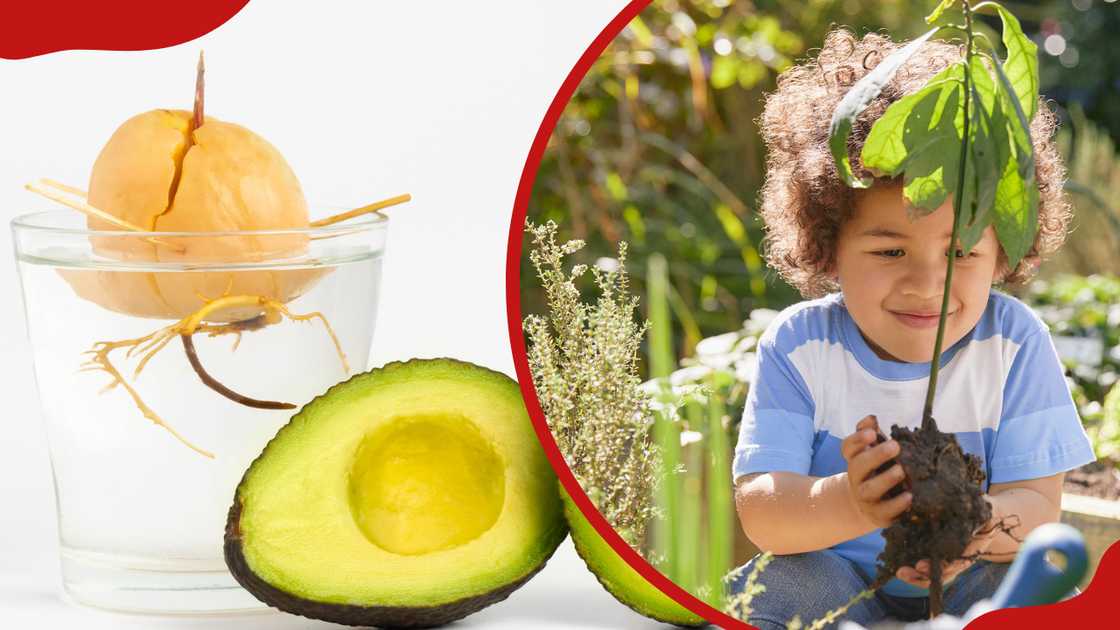
Raising an avocado tree from seed can be a delightful and gratifying experience. Whether you're a seasoned gardener or just starting out, this guide will demonstrate how to grow an avocado from seed without any difficulty.
* Prune the tree regularly to maintain its shape and promote fruit production.
Avocados are packed with beneficial nutrients, offering several advantages for our well-being. They are said to assist with digestion, reduce the risk of depression, and help prevent bone loss. Referred to as alligator pears or butter fruit, they are rich in monounsaturated fats and key vitamins, making them an essential component of a healthy diet. Here are the steps to plant an avocado from its pit:
6. Plant the seed in a pot filled with well-draining seed starting mix and water gently to settle the soil.
You can grow an avocado tree by placing its seed in a glass of water, a jar, or any transparent container. To start growing an avocado tree, you first need to prepare the seed properly. After enjoying your avocado, carefully extract the pit without damaging or slicing it.
Gently rinse the seed or seeds under warm water to remove any remaining fruit flesh. Handle with care to avoid scratching the brown outer skin, which safeguards the seed throughout the germination process.
Unfortunately, I don't have any text to paraphrase. Please provide the text you would like me to paraphrase, and I'll do my best to assist you.
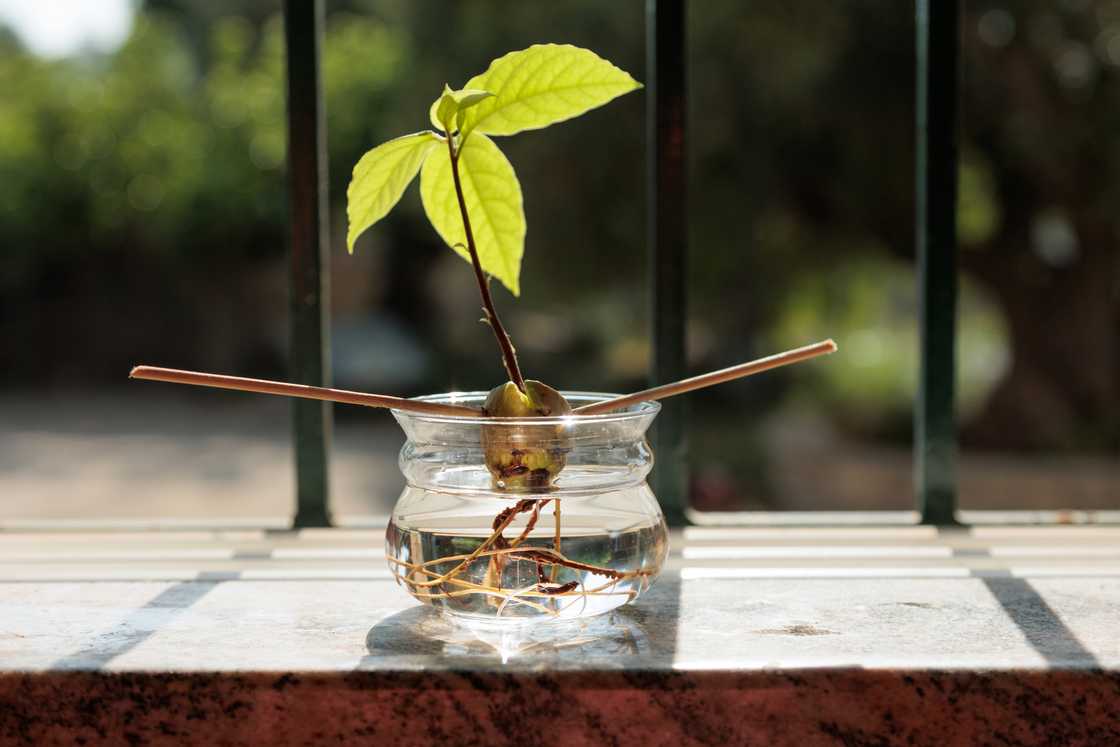
Methods of sprouting an avocado seed are as follows.
The toothpick method
To grow an avocado from a seed using this method, the necessary materials include: toothpicks, a glass or a jar, and water, based on the number of seeds being sprouted. Collect all the materials in a timely manner and follow these straightforward steps:
- Arrange the avocado seed so that the pointed end faces upwards and the flat end is positioned at the bottom. This is a necessary step for effective sprouting to take place.
- Insert three toothpicks around the seed's midsection at a slight angle, being cautious not to puncture it. The toothpicks serve as a support system, enabling the seed to remain suspended in water successfully.
- Place a glass or container with water in it, and submerge the seed's flat end below the water level, while keeping its pointed tip above water.
- Finally, position the glass in a warm spot with indirect sunlight exposure. Replace the water every 2-3 days to prevent mold and bacterial growth.
- After 14-28 days, you will notice signs of growth in the seed. Then, permit the process to proceed further for a brief period in order to achieve successful germination.
The wet clothing method
This method sprouts faster than the toothpick method, but handle it with care, as it tends to be more delicate. To successfully sprout an avocado seed, you'll need a ripe avocado, a paper towel or a clean cloth, and a plastic bag. Follow these instructions for both speed and success.
- Mist the avocado seed with water and cover it with a damp cloth or paper towel. This should maintain the right level of moisture, which the seed needs to germinate. It also will create a humid environment that promotes sprouting and protects the seed from drying out.
- Carefully place the item in an airtight container or plastic bag and store it in a warm location.
- Verify the seed's condition at least once or twice a week to ensure it remains in optimal state.
- Regularly replace the damp cloth or paper towel with a fresh one to maintain moisture and prevent mold accumulation.
Direct germination method
This method involves germinating the avocado seed directly in the soil after it has been sprouted. There is no need to transfer the sprouted seed to another location; instead, you can observe the growth of the plant in one place.
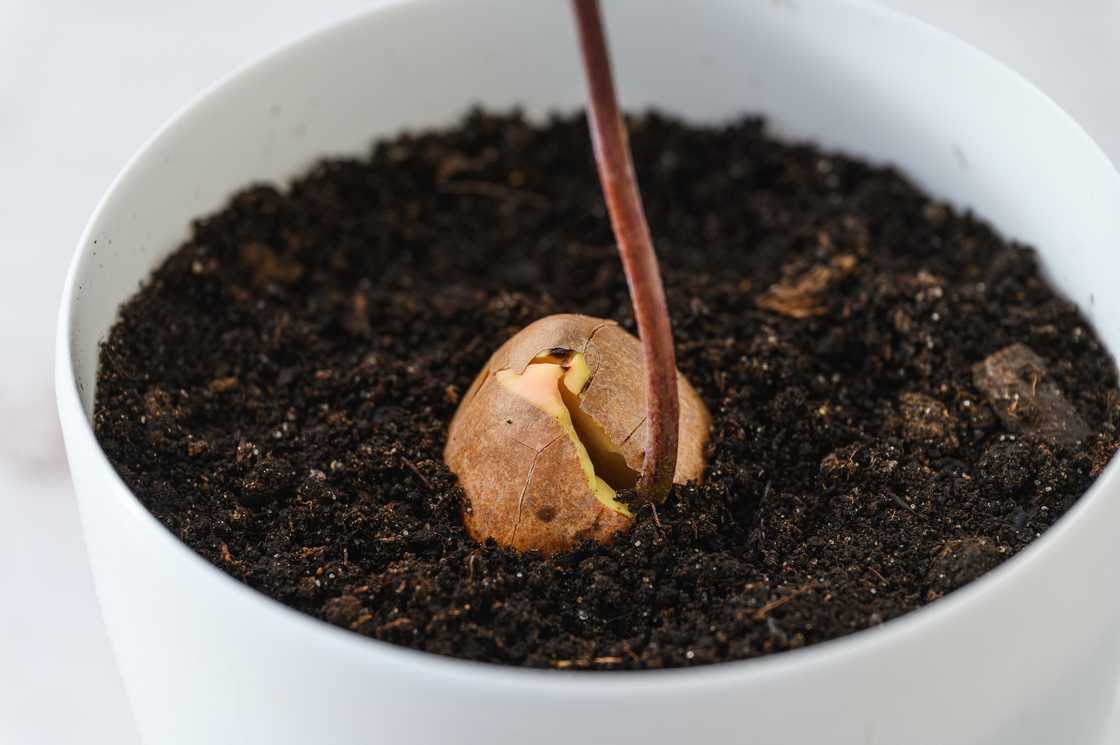
You will require the following materials for this course: an avocado seed, a sharp knife, water, and a pot or a location with suitable soil. Here is a step-by-step guide on how to germinate an avocado seed directly in soil, rather than in water.
- Select a container with adequate drainage and fill it with a potting mix that is rich in nutrients.
- Plant the seed with its flat bottom facing downwards and the pointed end situated slightly higher above the soil's surface.
- Water the soil abundantly, making sure it remains damp but not saturated. Position the pot in a location that receives warm sunlight.
You can locate the ideal spot by placing the seed in the soil for a while to sense the warmth. Alternatively, plant the seed directly in warm soil. Just ensure the spot is not overly exposed to direct sunlight, allowing for healthy sprouting.
Similar to the previous two procedures, it takes 14-28 days for the seed to sprout, and you will observe a sprout growing out of the soil. Maintaining consistent moisture and warmth is crucial during this stage.
Insert the sprouted seed into the soil.
After successfully sprouting the avocado seed, you need to prepare it for germination. Germination is the process of turning the sprouting seed into a fully grown plant that blooms.
You will begin this process when your avocado seed has germinated and developed roots that are approximately 7.6 centimeters long. This process is relevant for people using wet clothes and toothpick methods to induce sprouting of the seed. To achieve successful germination, please follow these steps:
- Once the root has grown to approximately one inch, transfer the seed to a clear glass jar or small vase using the toothpick method to observe the plant as it expands.
- If you have a small-necked container such as a bottle, you can place the seed on top without needing toothpicks.
- Within a week or two, the taproot will penetrate the water and may generate smaller root appendages.
- After approximately one more week, a stem will emerge from the top of the seed, accompanied by rapidly growing leaves. During this stage, it is essential to closely monitor the water level to ensure the root remains submerged and does not dry out due to evaporation.
- Once the stem has reached about 30 cm in length, transfer the seed into a pot so it can start taking nutrients from the soil.
- Use a container or vessel with a hole for draining and a soil that drains well.
- Fill the pot with a layer of potting soil, place the seed in the middle of the pot, and position it so the top of the seed aligns with the pot's edge.
- Fill the pot with potting soil, firm it gently around the roots, and ensure the seed remains visible by about an inch above the soil surface. After planting, water the soil thoroughly.
4. Transplanting the germinated seed after 1-2 weeks is important to avoid overcrowding and to encourage the taproot development.
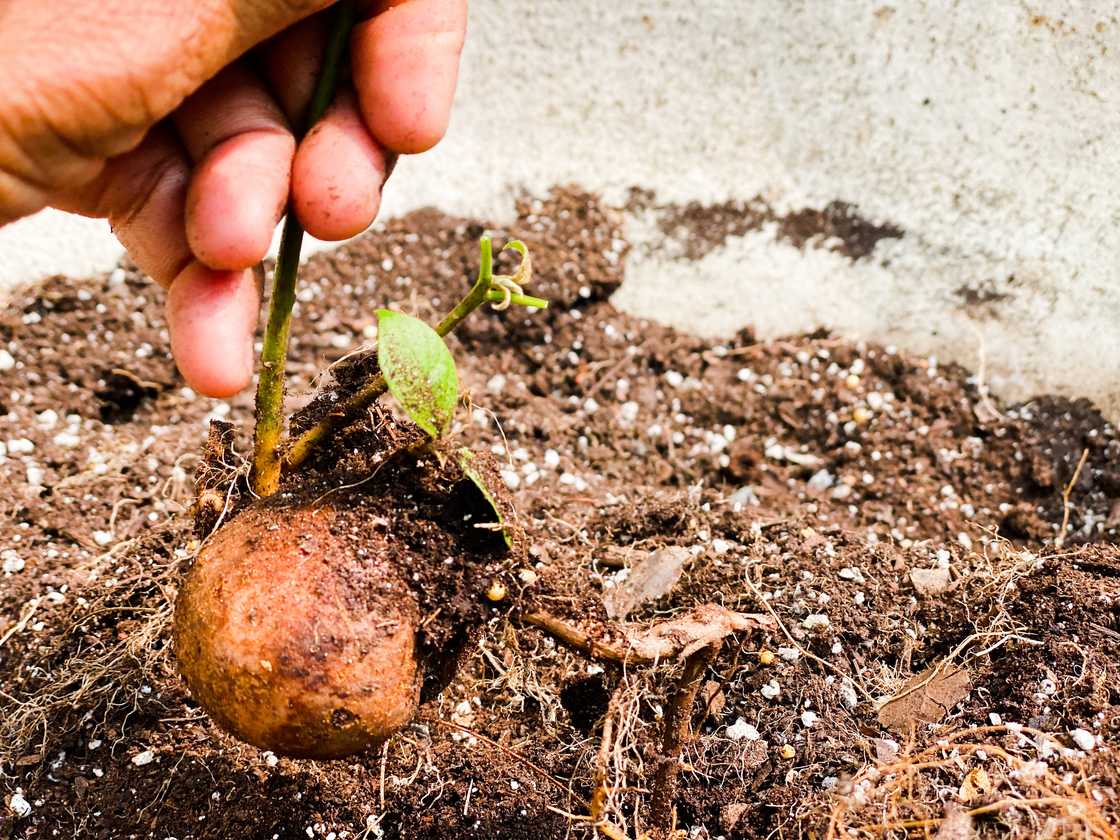
If you reside in a tropical climate, you can transplant your avocado tree outside when it has developed a robust and tall structure. Opt for a location that receives direct sunlight and features well-draining soil. Excavate a hole that is somewhat larger than the root ball and carefully place the plant within it. Water it generously and consistently provide it with adequate care.
There is no text provided. Please provide the text to be paraphrased.
Now that your avocado seed has been planted, proper care is essential to ensure healthy growth: The following guidelines will help you to grow this valuable crop to full maturity.
- Use sharp cutting tools such as scissors or pruning shears to cut the avocado stem about 15-20 centimeters above a growth node. A growth node is a part of the stem where leaves emerge or are developing, including small, hidden leaves along the stem itself. This technique promotes the growth of a fuller and bushier plant.
- Place the plant in bright, indirect lighting. Avocados are one of the plants that thrive in bright, indirect sunlight. Rotate the pot occasionally to ensure even growth.
- Maintain the soil at a consistent level of moisture, but avoid leaving it excessively watered. Overwatering may contribute to root decay; therefore, water the soil regularly but in moderation to prevent this situation.
- As your avocado plant grows, it will require additional nutrients beyond those offered by the potting soil. For optimal growth, use a balanced fertilizer periodically, typically every few months, to supply the necessary nutrients. Be mindful that you may not need to fertilize your plant during the winter season, as it will typically be inactive during this time.
What is the recommended duration for soaking an avocado seed before planting?
You can soak an avocado seed for 24 to 48 hours before planting. After that, you can remove the brown exterior to enable the seed to sprout more quickly.
(Note: no changes were made to the original text, only the wording was adjusted for different phrasing)
You can grow an avocado from the seed by utilizing the toothpick method, wet cloth method, or direct germination. All these methods ensure the seed sprouts correctly and is provided with proper care to reach maturity.
It takes approximately 3 to 10 years to grow an avocado tree from a pit, depending on the variety and growing conditions.
Avocados grown from seed typically take between 3 to 5 years to yield their first fruit. However, the cultivation process can be lengthened by various factors, including the environmental conditions in which the trees are grown, as well as the specific variety of plants.
Final word
Raising an avocado tree from seed is a fulfilling process demanding patience and attention to detail. By mastering these steps on seed sprouting, germination, and cultivation, you'll be able to enjoy a healthy and thriving avocado plant, no matter if you're growing it indoors or outdoors.
Read on to learn about the different kinds of non-flowering plants, including those that reproduce through seeds and spores, and see their special ways of making new plants. Whether you're a plant enthusiast or just curious, this article gives you interesting information about nature's more ancient plant species.