

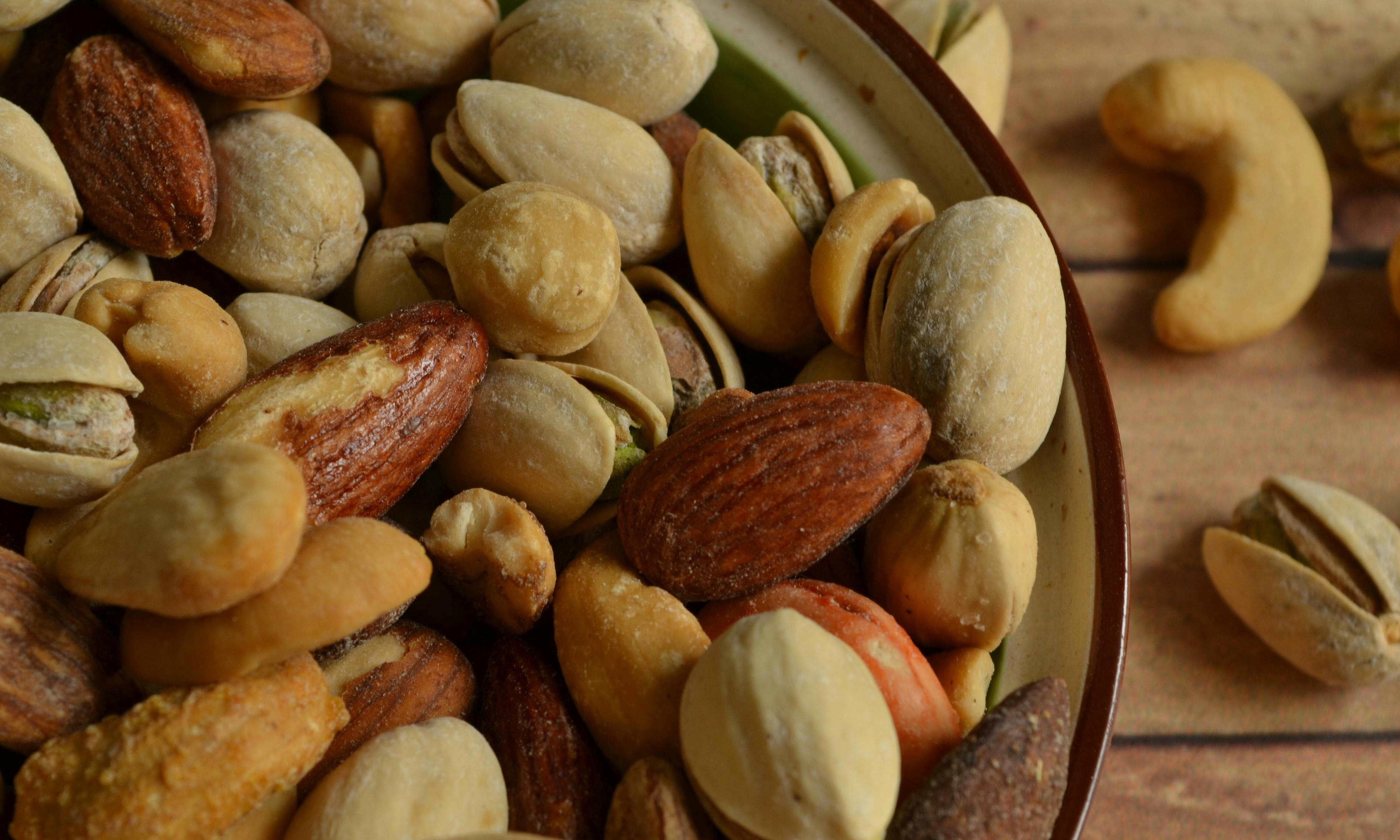
Almonds, pistachios, and walnuts are among the most beneficial nuts, providing a variety of advantages that make them an excellent inclusion to your meals.
It has been found that consuming nuts may help decrease the risk of developing diabetes, heart disease, and specific types of cancer.
Here's a closer look at nine of the healthiest nuts to incorporate into your diet.
1. Almonds
One ounce (28 grams) of roasted almonds contains 170 calories, 15 grams of fat, 6 grams of protein, 3 grams of fiber, and essential nutrients including vitamin E and magnesium.
Vitamin E protects cells from oxidative harm while supporting immune function and cellular interaction. Research indicates that almonds may help decrease LDL (bad) cholesterol and reduce inflammation, thus promoting heart and gut health.
2. Pistachios
These nuts are lower in calories and fat compared to many other types of nuts, with 159 calories, 13 grams of fat, and 6 grams of protein per ounce. They are also abundant in vitamin B6 and antioxidants such as lutein and flavonoids, which contribute to their ability to help reduce blood pressure, enhance metabolism, support immune function, and promote overall heart health.
3. Walnuts
Walnuts stand out for their high concentration of ALA omega-3 fatty acids, amounting to 2.57 grams per ounce. They also contain vital minerals like copper and manganese, which are beneficial for brain health and immune function.
Studies indicate that consuming walnuts may help decrease LDL cholesterol, blood pressure, and triglyceride levels, subsequently lowering the risk of heart disease.
|
|
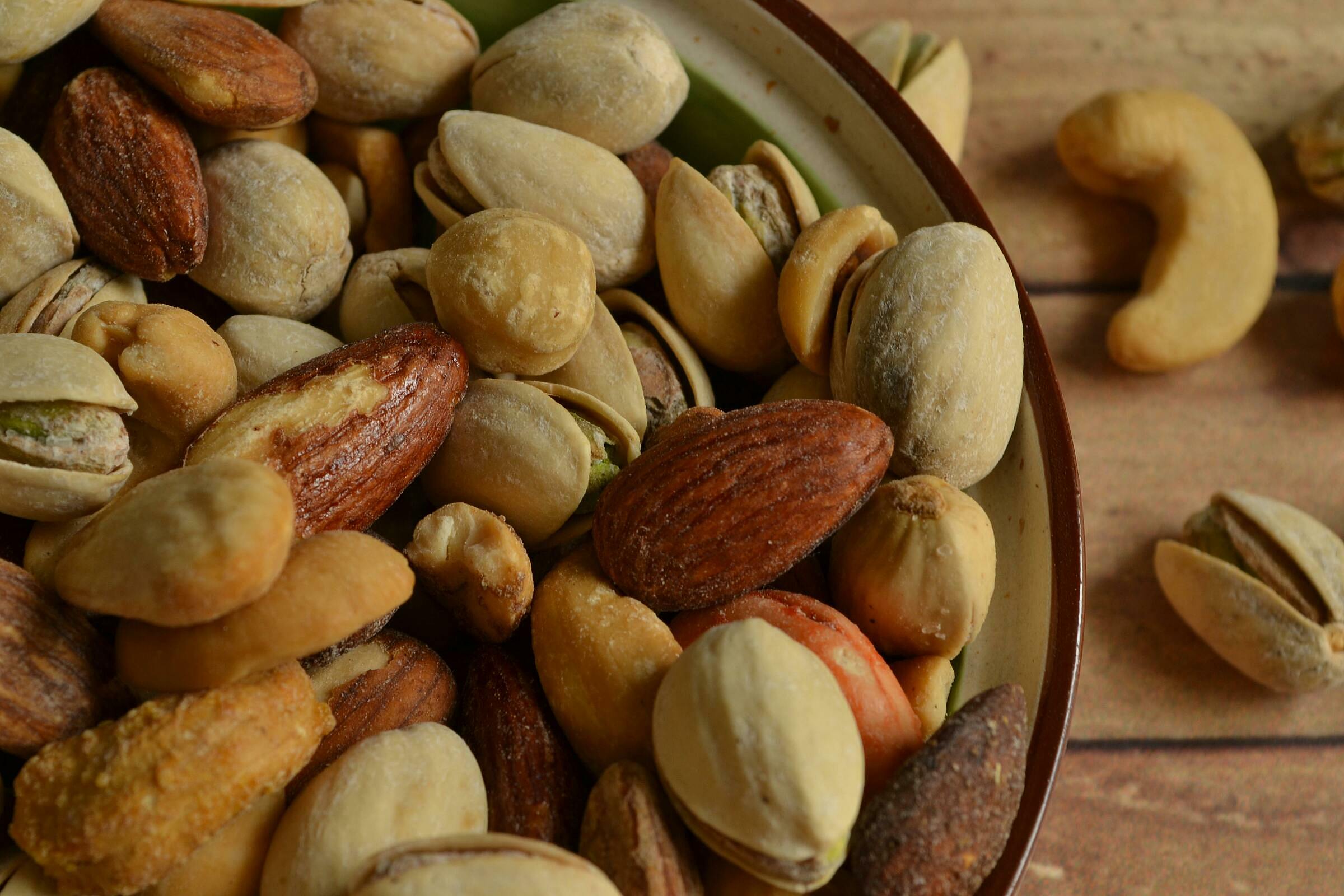
Mixed nuts in a dish. Illustration photo by Pexels |
4. Cashews
This plant contains 157 calories, 12 grams of fat, and 5 grams of protein. They are a good source of vitamin K, magnesium, and manganese, which are all crucial for maintaining healthy bones.
Research indicates that cashews could potentially help lower blood pressure and reduce triglyceride levels, although further investigation is necessary.
5. Pecans
A one-ounce serving of pecans contains 201 calories, 21 grams of fat, and 3 grams of fiber, as well as zinc and manganese. Zinc supports immune function, wound healing, and DNA synthesis.
Pecans may also help improve heart health by reducing low-density lipoprotein cholesterol.
6. Macadamia nuts
Macadamia nuts consist of 204 calories, 21.5 grams of fat, and 2 grams of protein per ounce, as well as vitamin B1 and manganese. Studies reveal that consuming macadamia nuts can lead to a decrease in LDL cholesterol, triglycerides, and blood sugar levels.
7. Brazil nuts
Brazil nuts are an excellent source of selenium, and a single ounce can provide 989% of the daily recommended value. This essential nutrient supports thyroid function and DNA synthesis, but it should be consumed in moderation to prevent excessive intake.
These nuts are also rich in vitamin E and magnesium, which helps to maintain a natural balance in blood sugar and blood pressure, support normal nervous system functions, and assist in producing energy. Furthermore, they contain properties that fight inflammation and act as antioxidants.
8. Hazelnuts
One ounce of hazelnuts contains 178 calories, 17 grams of fat, and 4 grams of protein. They are a rich source of vitamin E, manganese, magnesium, and beneficial plant compounds. This nutritional content can help reduce LDL and total cholesterol while providing anti-inflammatory benefits.
9. Peanuts
Although peanuts are technically a type of legume, their nutritional profile is comparable to that of tree nuts. They are rich in protein, containing 7 grams per ounce, and also contain polyphenol antioxidants and folate. Folate is particularly vital during pregnancy, as it aids in fetal and placental growth and development.
Peanuts may also lower the risk of cardiovascular disease and stroke.